5 Ways Beach Properties are Different for Management
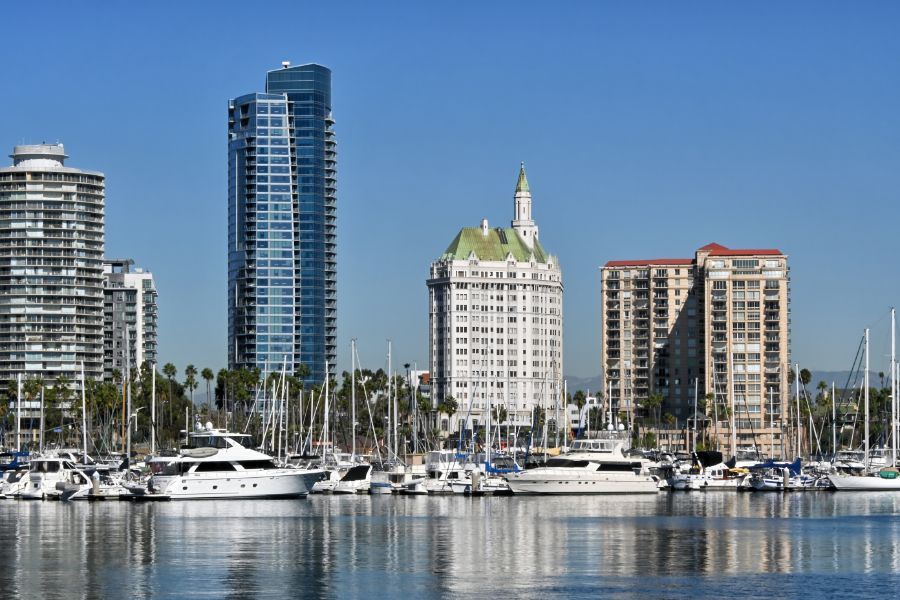
Beach properties require a different approach to management when compared to inland cities due to their coastal environments and everything that comes with it. Understanding how beach properties differ helps investors anticipate challenges and proactively protect their investment.
Below, we’ve gathered five different ways beach properties are different for management.
Seasonal Population Swing
One of the primary reasons why tenants look for beach city rentals is also one of the reasons for their complaints. During the colder seasons, there generally aren't as many tourists when compared to summer. This increase in local activity increases foot traffic as well as automobile traffic. This increases the amount of noise and cars, reduces the amount of available parking, and tends to make running errands a bit of a handful. In order to alleviate some of these issues, it's important to have clear communication with your tenants about these complaints to allow your property management company to quickly respond to the complaint and resolve the issue promptly.
Investing in insulation to reduce outdoor sounds can lead to a positive living experience for prospective tenants. For example, thicker sound insulation and double pane windows not only reduce the sounds of noise, but they can additionally help maintain temperatures consistent within the rental. Likewise, the added foot traffic can hinder your tenant’s privacy. For this, you can install strategic landscaping to minimize curious eyes and
improve your tenant’s stay.
Additional Wear and Tear
Although beach properties have many strategic benefits for investors, one thing to keep in mind is the additional wear and tear caused by the beach. The closer to the beach, the saltier the air is, generally speaking. This can accelerate corrosion on many outdoor metal fixtures and systems. To get ahead of this, more frequent inspections should be done for proactive maintenance. Outdoor appliances, metal railings, and the HVAC system generally have a shorter lifespan due to the salt exposure, causing corrosion and rust on the metal.
Preventative maintenance is essential in these cases instead of an option. Many of these systems and fixtures may seem to work just fine until they don’t. If this happens, it can result in necessary emergency repairs, which can be significantly more expensive than fixing or replacing items early. Investors should account for shorter lifespans of these items in their budgets in order to avoid expensive emergency repairs.
Sand intrusion
Similar to the salty air, sand intrusion is another way in which beach properties require different management. Sand tends to get everywhere, including inside the rental, from just walking around. Inside the rental, this can scratch the flooring and erode seals around door and window tracks. Outside the property, mechanical systems and outdoor items can be damaged. Such as furniture, decking, the roof, or, once again, the HVAC system. When sand gets into moving parts, it can slowly wear down plastics and metals, much like sandpaper. This does put a higher cleaning load for tenants when compared to rentals inland, though this also means that deeper cleaning becomes necessary during turnover periods. Keep this in mind, as ignoring the additional time needed to clean the sand can increase vacancy periods or damage the rental if left ignored.
Sun exposure
With the ocean on one end, it's difficult to ignore the sun beating down on rental properties in beach cities. Though the ultraviolet rays from the sun have a significantly greater effect on plastics, decking, and the roof, as well as any outdoor furniture and fabrics. This means that while asphalt shingle roofs generally have a lifespan of about twenty years on average, because of the sand, salt, and sun, the roof will likely need to be inspected regularly for leaks and damage after about twelve years. The rest of the exterior likely would require resealing and repainting more frequently than when compared to cities more inland.
Moisture management
Like most beach cities, there are higher levels of humidity you’ll have to account for. This means there's a higher risk of mold and mildew growing in the rental simply based on location. Additionally, this means that water intrusion can be far more problematic, as mold and mildew can cause breathing issues with tenants and, in extreme cases, the property can be deemed uninhabitable until the issue is dealt with.
This means during regular inspections, any minor leak on the roof or around doors and windows needs to be addressed as soon as possible. Letting moisture levels rise can result in extremely expensive repairs,
tenant complaints, and long-term vacancies.
Beach rental properties present many opportunities to invest as well as unique challenges that require specialized management strategies. If you’re looking to invest in a new property or if you need help managing your current Beach City rental property, we invite you to call us today at (562) 888-0247 or complete our
Owner Application online.
Share this post