Top 3 Ways to Reduce Noise Between Walls
Noise reduction isn't typically seen as a priority for many investors and landlords. However, for long term success, maintaining a comfortable interior environment can support tenant satisfaction and income stability. In neighborhoods with heavy vehicular or foot traffic some tenants may complain about excess outside noise while in multifamily homes noise can pass through shared walls between units.
Various strategies exist that can help minimise noise between walls, today we’ll focus on the top 3.
Damage Free Noise Reduction Methods
For landlords who receive noise complaints and aren’t willing to damage the rental while the units are occupied, non damaging sound reduction methods are oftentimes the most practical option. These additions can help to reduce noise transfer without the need for opening walls. While these methods don't fully eliminate sound, they can noticeably improve tenant comfort when done properly. In older homes much of the outside noise can enter through single pane glass windows, you can reduce some noise with sound deadening curtains or if budget permits window shutters are a great way to reduce outside noise and excess sunlight. Additionally if a unit has tile or hardwood flooring, strategically placed carpets can help reduce incoming noise while softening footsteps.
Small cracks and gaps in seals can also allow significant noise from entering rooms, during inspections its important to check these areas and fill or fix them as these can also allow cold or hot air into the house which can put unwanted load on the electrical and HVAC system.
Upgrading Wall Insulation for Noise Control
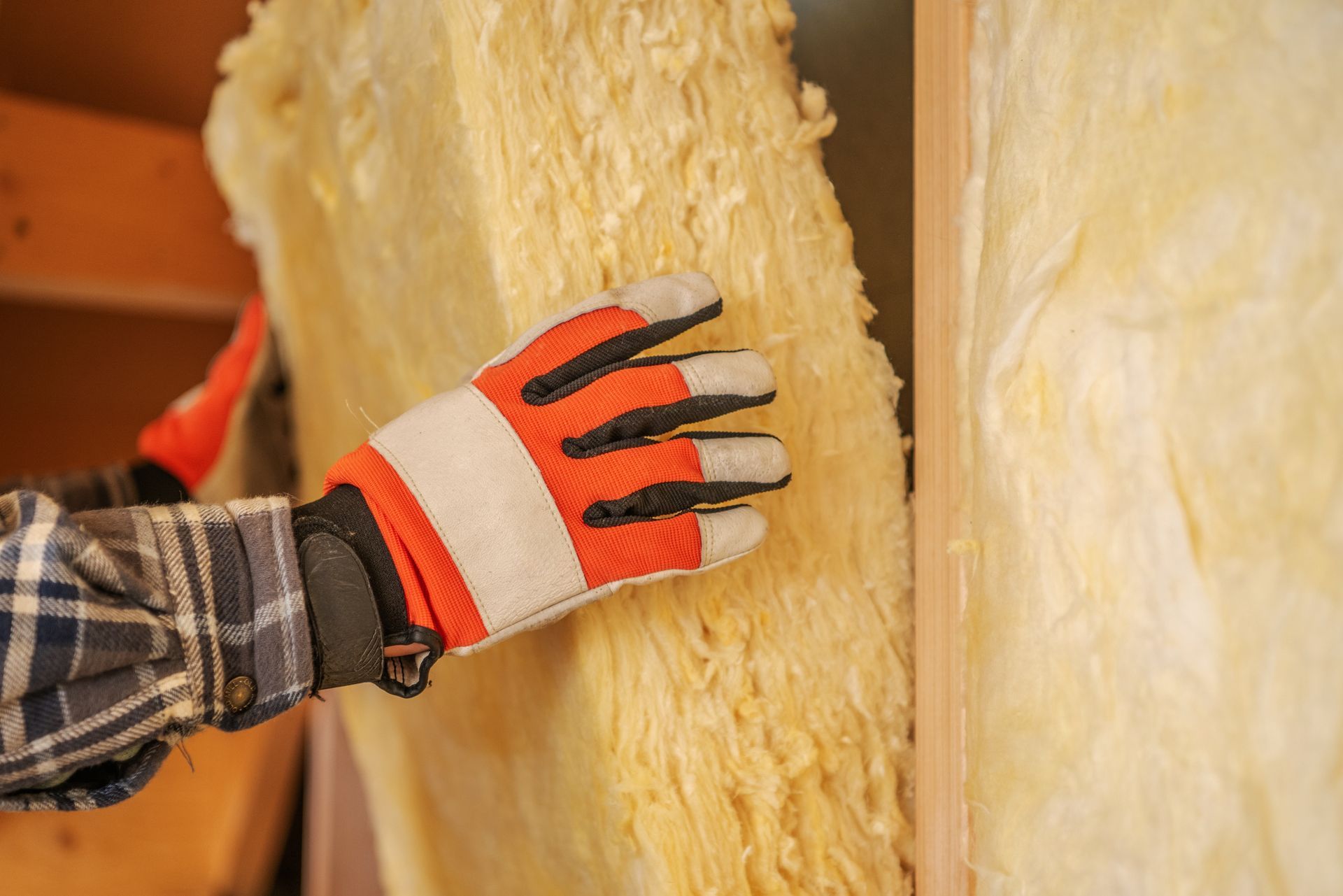
Once a tenant vacates, it's the best opportunity to access the wall if previous tenants regularly complained about excess noise. Upgrading insulation can significantly improve sound insulation between walls. The added mass helps reduce airborne sound from transmitting across rooms by absorbing the sound waves within the wall before they pass through. The typical fiberglass batt insulation is one of the most common materials for residential homes, and while its use is thermal efficiency, it provides moderate sound control. That being said for better results, higher density insulation such as rock wool is far more dense and as a result allows for less sound from passing through walls. If budget and time allows, consider adding double pane glass windows as well, these are also primarily used for temperature control, though they can also reduce outside noise.
In order to get the most benefits, it's crucial to have the insulation to be properly installed. Even small voids can reduce the effectiveness of the insulation. For landlords with older properties that had minimal insulation in interior walls, adding acoustic insulation can be a cost effective improvement that improves
tenant comfort and satisfaction while standing out by being quiet.
Increasing Wall Mass
Sound has a harder time passing through denser walls, and one of the most effective structural strategies for reducing noise is simply increasing the mass of the walls. While it sounds simple, this method generally involves installing a second layer of drywall over the existing wall surface while applying dampening compound in between the layers reducing the amount of sound that passes the wall. This approach isn't considered a small job since this requires someone to extend electrical boxes, as well as repainting and finishing the walls. Although more expensive, it can produce significant improvements in properties where tenant noise complaints occur frequently.
For landlords planning larger renovations, combining these three methods produce much stronger sound control than any one method on its own. Conditions within the rental property can influence how tenants experience their living space. For investors, maintaining a functional and comfortable environment can support stable long term rental income. If you’re unsure what solution is best for you, or if you need help managing your Beach City rental property, we invite you to call us today at (562) 888-0247 or complete ourOwner Application online.
Share this post