What Is Considered Normal Wear and Tear in California Rentals?
Understanding the difference between normal wear and tear and tenant-caused damage is one of the most common challenges property owners face. In California rental properties, this distinction is especially important, since it determines whether repair costs can legally be deducted from a tenant's security deposit. For landlords and investors working with Long Beach property management companies, knowing how wear and tear differs from property damage helps prevent disputes with tenants and ensures compliance with California landlord-tenant laws.
Normal wear and tear refers to the gradual deterioration of a property that happens through ordinary use over time. Every rental property experiences this type of aging as tenants live in the home and use its features. Responsible property management includes planning for this deterioration as a regular cost of operating rental property.
Professional property management in Long Beach, California focuses on maintaining rental properties while recognizing that some level of wear is unavoidable.
What Normal Wear and Tear Means in Rental Housing
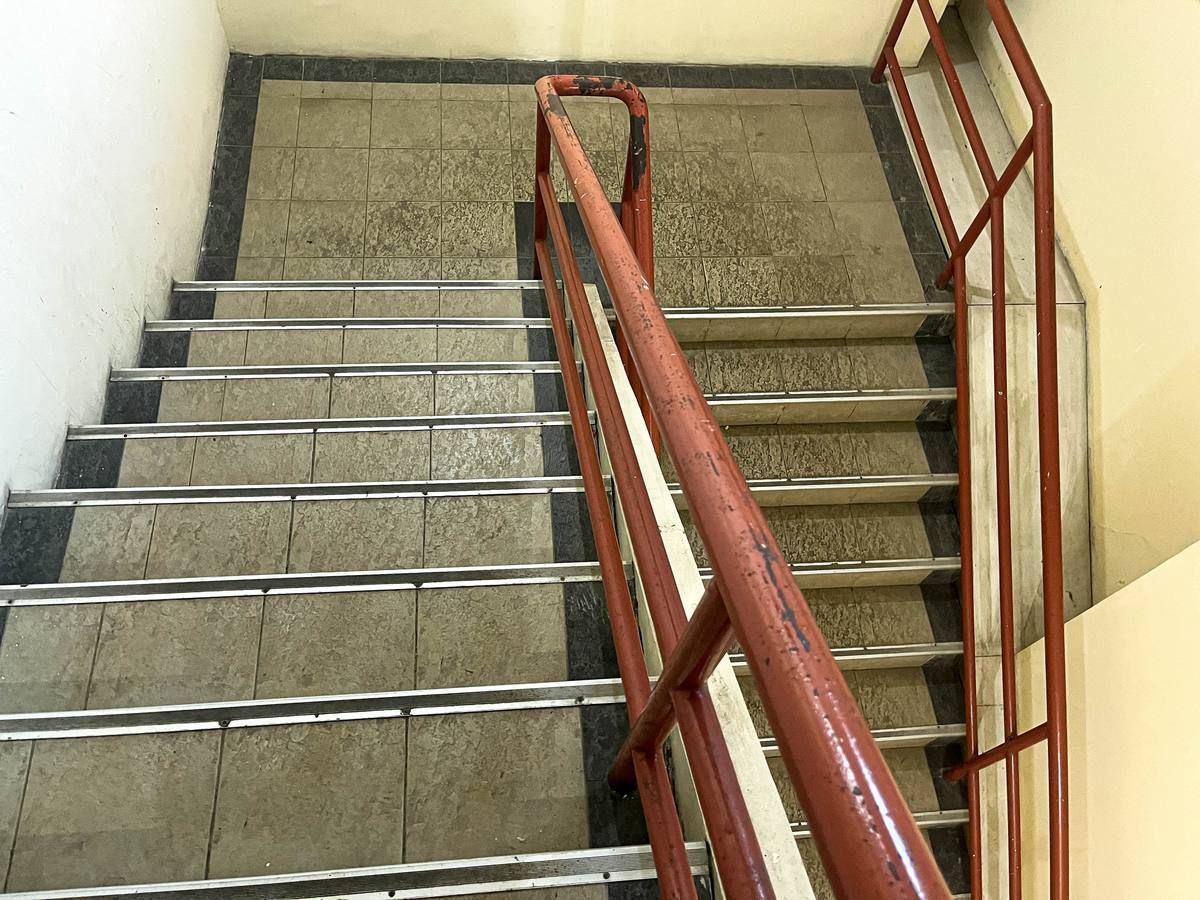
Normal wear and tear occurs naturally as tenants occupy a rental property. Floors get walked on, appliances are used daily, and fixtures slowly age over time. These changes are expected and shouldn't be treated as tenant damage.
California law doesn't provide a single list of items that automatically qualify as wear and tear, though the general principle is clear: if deterioration happens through normal, careful use of the property, it's considered normal wear.
Examples of typical wear and tear often include minor scuff marks on walls, worn carpet in high-traffic areas, and fading paint due to sunlight exposure. These changes happen even when tenants take good care of the home. Professional rental property management recognizes that wear and tear is simply part of operating a rental property and must be factored into long-term maintenance planning.
Examples of Normal Wear and Tear
Some common examples of wear and tear that landlords generally cannot charge tenants for include:
- Minor scuffs on walls
- Faded paint or wallpaper
- Carpet worn down from foot traffic
- Loose door handles or cabinet hinges
- Aging appliances due to normal use
- Minor scratches on countertops
These types of changes occur gradually as tenants live in the property and use everyday household features. Understanding these examples helps prevent unnecessary security deposit disputes at move-out.
Examples of Tenant Damage
Tenant damage is different from wear and tear because it results from neglect, misuse, or intentional actions.
Examples of tenant damage may include:
- Large holes in drywall
- Broken windows or doors
- Pet damage to flooring
- Missing appliances
- Damage to carpets
- Unauthorized paint colors
- Water damage caused by negligence
Damage goes beyond normal aging and requires repair or replacement that wouldn't have been necessary through ordinary use. When these problems occur, landlords may be able to deduct repair costs from the tenant's security deposit. It helps to know the typical repairs to expect when a tenant leaves so you can plan for them in advance.
Professional property managers carefully document property conditions to determine whether issues qualify as wear and tear or tenant damage.
Why Documentation Is Important
One of the best ways to prevent disputes about wear and tear is through thorough documentation.
Before tenants move in, property managers typically perform a detailed move-in inspection that records the condition of the unit. Photos, written checklists, and inspection reports help establish a baseline for the property's condition. At move-out, another inspection compares the property's current condition to the original documentation, which is one of the must-do items after a tenant vacates your property. This process allows property managers to identify what changed during the tenancy, whether deterioration is normal or excessive, and what repairs may be required.
Professional property management companies rely heavily on documented inspections to protect both property owners and tenants.
Understanding Reasonable Lifespans of Property Items
Another factor in determining wear and tear is the expected lifespan of various property components. Items such as carpet, appliances, paint, and flooring naturally wear out over time, and even careful tenants can't prevent aging materials from eventually needing replacement. For example, if a carpet is already several years old when a tenant moves in, it may reach the end of its useful life during the tenancy. In that situation, replacing the carpet would likely be considered a landlord responsibility rather than tenant damage. Professional management services often track the age of major property components so owners can plan for replacements in advance.
Understanding lifespans helps ensure that tenants aren't unfairly charged for normal aging.
Common Areas of Wear in Rental Properties
Several parts of rental properties tend to show wear faster than others because of regular daily use. These areas often include flooring, paint, appliances, plumbing fixtures, and door hardware. Over time, these components may become worn or outdated even if tenants treat the property carefully, which is why common rental property repairs tend to cluster around the same handful of areas.
Routine maintenance and periodic updates are part of responsible rental ownership. By planning for these upgrades, property owners can maintain the property's condition while improving tenant satisfaction. Property management companies can help landlords track maintenance needs and schedule repairs before issues become more serious.
How Property Managers Handle Wear and Tear
Experienced property managers help landlords navigate wear and tear issues in a fair and legally compliant way. Rather than relying on assumptions, professional property managers use inspection reports, photos, and documentation to evaluate property conditions. This approach helps ensure that security deposit decisions are based on clear evidence rather than subjective opinions. Property managers also help landlords understand California regulations related to security deposits, repair responsibilities, and tenant rights.
Working with an experienced Long Beach property management company helps reduce the risk of disputes and ensures that rental properties are maintained properly over time.
Preventing Disputes With Tenants
Many security deposit disputes occur because tenants and landlords have different expectations about property conditions.
Clear communication can help avoid these disagreements. Property managers often provide tenants with written information explaining what qualifies as wear and tear and what may be considered damage. Move-in checklists, maintenance guidelines, and inspection reports help tenants understand their responsibilities while protecting the property owner's investment. These systems are used to maintain transparency and fairness throughout the tenancy.
The Role of Preventative Maintenance
Preventative maintenance is another important factor in managing wear and tear. Regular inspections allow property managers to identify early signs of deterioration and address problems before they become expensive repairs. For example, small plumbing leaks, worn caulking, or aging appliances can often be repaired early rather than waiting until they fail completely.
Preventative maintenance not only protects the property but also improves tenant satisfaction by keeping the home in good condition. Effective Long Beach property management focuses on proactive maintenance to extend the life of property systems and reduce long-term costs.
How Beach Cities Management Helps Protect Your Property
At Beach Cities Management, we help landlords manage maintenance, inspections, and tenant relations to protect their rental investments.
Our property management in Long Beach, CA includes:
- Detailed move-in and move-out inspections
- Documentation of property condition
- Preventative maintenance coordination
- Professional evaluation of wear and tear
By managing these processes carefully, we help ensure that rental properties remain well maintained while protecting property owners from unnecessary disputes.
Need Help Managing Your Rental Property?
If you want professional support with maintenance, tenant communication, and property protection, Beach Cities Management is here to help.
Apply today through our Owner Application. Let Beach Cities Management handle the details of Long Beach property management so you can focus on growing your rental property investment with confidence.
Share this post