What Can You Expect For Your ADU Rental In Southern California?
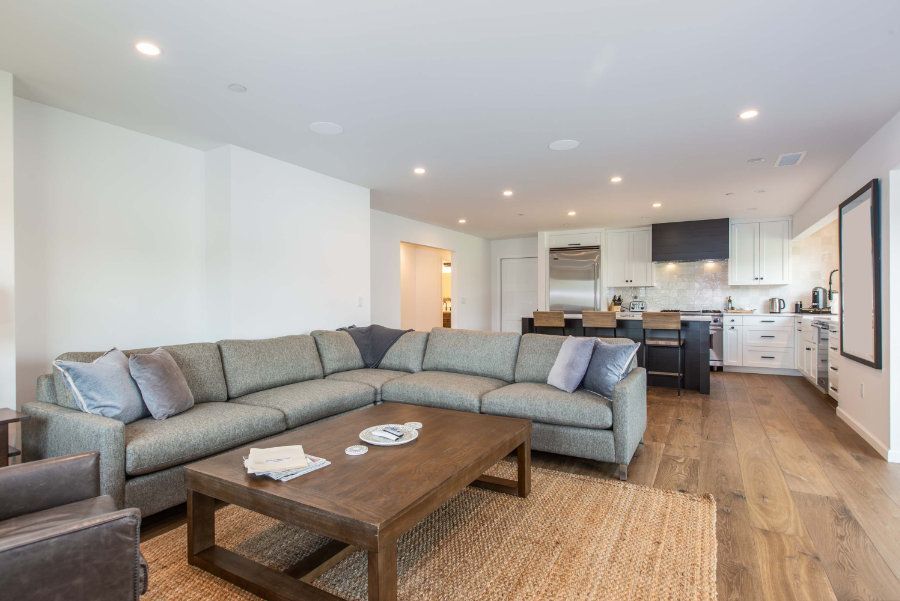
Accessory Dwelling Units (ADU) have become an increasingly common rental option throughout Southern California. This is driven by housing demand, zone changes and property owners trying to maximize the use of their existing land. For landlords considering an ADU rental, expectations need to stay grounded in the market.
Below we’ve gathered a few factors that can affect the expectations of renting your ADU.
Rental Income Potential
Rental income from an ADU in Southern California is generally influenced by a number of factors. These include unit size, design layout and surrounding neighborhood. Depending on the market, it can influence which of these traits is more desirable for the area. For example, in neighborhoods with limited apartments availability, there is a higher demand for one bedroom or even studio sized ADUs. Additionally, ADUs which are detached from the primary residence and have a private entrance oftentimes achieve higher rents than smaller garage conversions or attached units. This is also true for proximity to highways, public transit, shopping centers or schools. Although ADUs can potentially provide stable supplemental income, rental rates need to be competitive in order to support long term occupancy for consistent cash flow.
Demand Based on Location
Depending on where your property is located, will determine the level of demand you’ll see. Beach cities such as Long Beach or Huntington Beach’s rental market often experience higher rental competition as well as pricing, while more inland and suburban areas such as Lakewood may offer steadier occupancy with more moderate rental rates. Neighborhood characteristics such as walkability, parking availability and overall condition play a crucial role in the decision making of a prospective tenant. When compared to larger apartment complexes, ADUs may attract tenants seeking a quieter living arrangement, which supports lower turnover rates when expectations are clearly defined.
Ongoing Expenses
Like every investment property, ADUs will also introduce ongoing expenses that landlords and investors must account for. Utilities, depending on how the ADU was constructed may be metered separately from the primary residence. Though in cases where this isn't possible, shared utilities can affect monthly operating costs, especially during the hotter and colder seasons. Routine inspections, maintenance and general wear and tear should be anticipated, especially for long term rentals. Keep in mind that even the most consistent and well maintained ADUs may have the need for emergency repairs or legal assistance, meaning it's good practice to structure your budgeting accordingly in order to maintain predictable income.
Rental Strategy
Choosing the appropriate rental strategy is central to long term success with an ADU. leasing long term typically offers more stability and lower administrative effort. When compared to short term rentals which may generate higher income, though it requires more oversight, in many coastal cities there are laws limiting ADUs as short term rentals. In Southern California, landlords can earn between $2,500 and $6,000 per month on average for their ADUs, though this is dependent on location, size and design. Furnished units can appeal to specific tenant groups such as remote workers, or temporary residents, though this will require additional maintenance.
From the point of view of an investor, ADUs are seen as long term assets rather than immediate profit centers. This is due to the initial investment of constructing an ADU, while significantly more affordable than purchasing a new property it is still not what some would consider cheap. Rental income will provide gradual cost recovery, while potentially increasing overall property utility and value. Many property owners find that professional oversight can help maintain consistency across these variables especially for new landlords or investors with many properties in their portfolio. If you’re looking to rent out your ADU, or if you need help managing your Beach City rental property, we invite you to call us today at (562) 888-0247 or complete our
Owner Application online.
Share this post