Shared Utilities in Rental Properties: What Owners Should Know
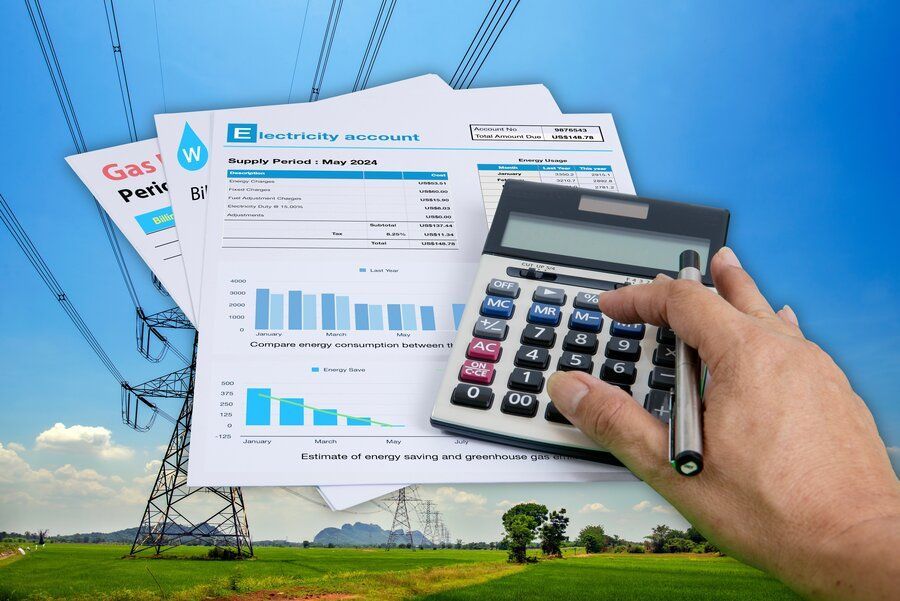
Shared utilities are common in many rental properties, especially in older apartment buildings, duplexes, and properties that have been converted into multiple units. When utilities such as water, gas, or electricity serve multiple units under a single meter, property owners must determine how those costs will be managed and billed. For landlords working with Long Beach property management companies, shared utilities can create challenges related to billing fairness, tenant expectations, and compliance with California rental regulations. If shared utilities are not handled correctly, disputes can arise between tenants and property owners.
Professional property management in Long Beach CA helps landlords establish clear policies and systems for managing shared utilities so that tenants understand their responsibilities while owners maintain predictable operating costs.
What Are Shared Utilities in Rental Properties?
Shared utilities occur when multiple rental units rely on a single utility service connection. Instead of each unit having its own separate meter and account with the utility provider, several units receive services through one meter. Common examples of shared utilities include:
- Water and sewer service
- Natural gas used for heating or hot water
- Electricity in multi-unit buildings
- Trash and recycling services
- Internet services in furnished rentals
Shared utilities are most commonly found in duplexes, triplexes, four-unit properties, and older apartment buildings where individual meters were not originally installed. For landlords managing these properties through Long Beach property management services, understanding how to allocate shared utility costs fairly is essential.
Why Shared Utilities Can Be Complicated
Shared utilities can create complications because it is difficult to measure exactly how much each tenant is using. Without individual meters, landlords must decide how the total utility bill will be divided among the tenants.
This can lead to concerns about fairness. For example, one tenant may believe they are using less water or electricity than their neighbors but still paying the same amount. From the landlord’s perspective, shared utilities can also create administrative challenges. Utility bills may fluctuate throughout the year depending on seasonal usage, which can make cost allocation difficult. Professional property managers in Long Beach California help property owners navigate these challenges by implementing clear billing policies and lease agreements that outline how shared utilities are handled.
Common Ways Landlords Handle Shared Utilities
There are several ways property owners handle shared utility costs in rental properties. The most appropriate method often depends on the building layout, local regulations, and the landlord’s management preferences. Many landlords do this by some of the following methods:
- Including utilities in the monthly rent
- Dividing utility bills equally among tenants
- Allocating costs based on unit size
- Using a utility allocation system based on occupancy
Each method has advantages and disadvantages depending on how predictable the utility costs are and how the property is structured. Professional property management companies in Long Beach CA often help landlords choose the best approach for their property type and tenant base.
Including Utilities in Rent
One of the simplest ways to manage shared utilities is to include them in the monthly rent. This approach eliminates the need to divide bills between tenants because the landlord pays the utility provider directly. Including utilities in rent can simplify the rental process for tenants. Instead of managing multiple bills, tenants pay one consistent monthly amount that covers both housing and utilities.
However, including utilities in rent requires landlords to estimate average usage carefully. If tenants use more utilities than expected, the landlord may absorb additional costs. In property management in Long Beach California, this approach is often used in smaller rental properties such as duplexes or accessory dwelling units where installing separate meters may not be practical.
Utility Allocation Systems
When utilities are shared but landlords do not want to include them in rent, a utility allocation system may be used. Utility allocation systems distribute the total utility bill among tenants using a formula that considers factors such as the number of occupants in each unit or the square footage of each unit. A fixed percentage assigned to each unit
This system allows landlords to divide shared utility costs in a more structured way rather than splitting bills equally. Professional property management companies sometimes implement utility allocation systems to provide a fairer method of distributing shared utility expenses.
Legal Considerations in California
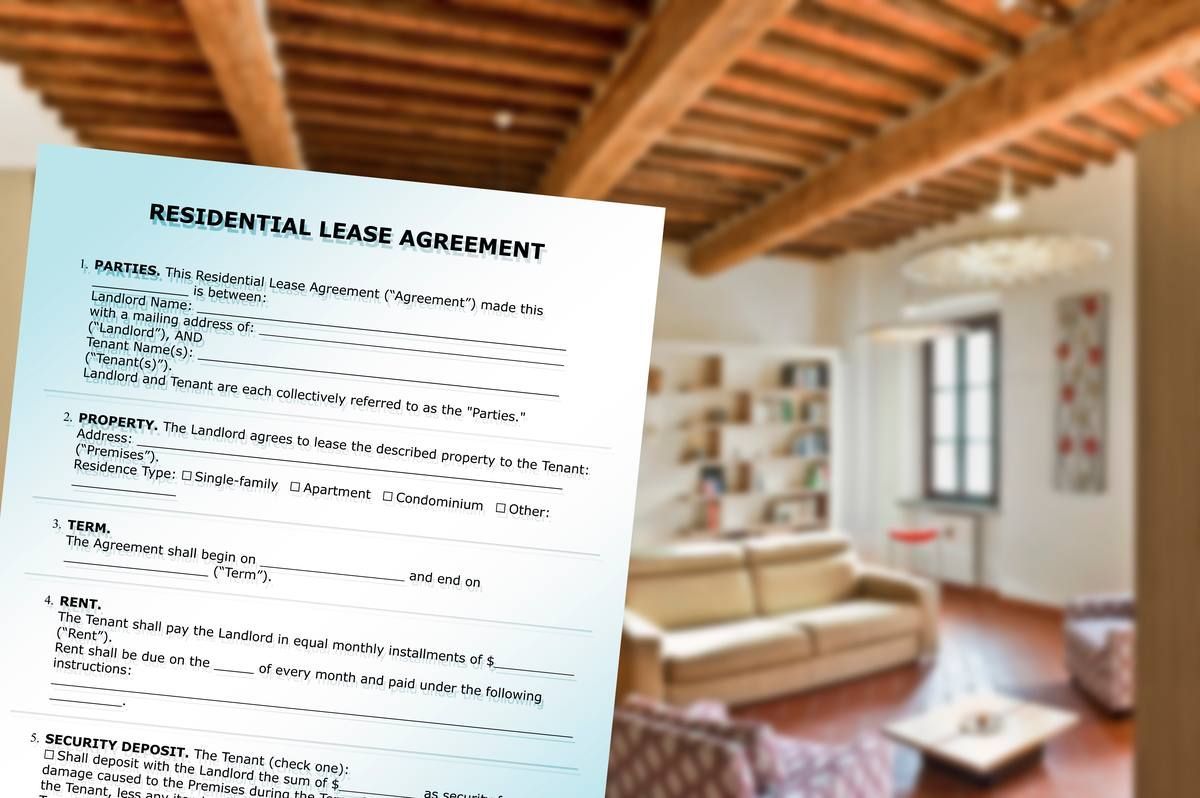
California landlords must follow specific regulations when charging tenants for utilities. If utilities are shared, lease agreements must clearly explain how costs will be divided and billed. Tenants must be informed in advance if they will be responsible for a portion of shared utility bills. The lease agreement should include clear language explaining the billing method, payment schedule, and calculation process.Failure to properly disclose shared utility arrangements can lead to disputes or potential legal issues.
Professional property management ensures that lease agreements include the proper disclosures to protect both landlords and tenants.
Advantages of Separating Utility Costs
Whenever possible, installing separate meters for each rental unit can simplify utility billing. Individual metering allows tenants to establish their own utility accounts and pay service providers directly. When tenants are responsible for their own utility usage, they are more likely to conserve energy and water. This can help reduce overall property operating costs.
Separating utilities also eliminates disputes between tenants regarding shared bills.
However, installing separate meters can sometimes be expensive, especially in older buildings where electrical or plumbing systems were not designed for individual metering. Professional property managers can help property owners evaluate whether installing separate meters is financially practical.
Preventing Utility Disputes Between Tenants
Shared utilities can occasionally lead to disagreements between tenants, especially if one tenant believes they are paying more than their fair share. To prevent disputes, landlords should establish clear policies and communicate them to tenants before they sign the lease. Transparency is key, when tenants understand exactly how utilities are billed and why the system works the way it does, they are less likely to question the arrangement later. Professional rental property management focuses on clear communication and written documentation to avoid these types of disputes.
Monitoring Utility Usage
Another strategy for managing shared utilities is monitoring overall property usage. If utility costs increase significantly, property managers may investigate possible causes such as leaks, malfunctioning equipment, or excessive usage.
Regular property inspections can help identify potential issues that may be driving up utility bills. For example, leaking irrigation systems or malfunctioning water heaters can cause water and gas usage to spike unexpectedly. Professional property management services often monitor property systems to ensure that utilities are functioning efficiently.
How Beach Cities Management Helps Manage Shared Utilities
At Beach Cities Management, we help landlords develop practical solutions for managing shared utilities as part of our full-service property management in Long Beach CA.
Our services include:
- Evaluating utility structures in multi-unit properties
- Advising on fair billing and allocation methods
- Ensuring lease agreements properly disclose utility responsibilities
- Monitoring property systems to prevent excessive utility costs
By implementing clear policies and efficient management systems, we help property owners avoid disputes while maintaining fair and transparent utility billing practices.
Need Help Managing Your Rental Property?
Managing utilities, maintenance, and tenant relationships can be complex without professional support.
If you want help managing your rental property efficiently, Beach Cities Management is here to help.
Apply today through our Owner Application. Let Beach Cities Management handle the details of Long Beach property management so you can focus on growing your rental property investment with confidence.
Share this post