How Lease Agreements Protect Landlords and Tenants
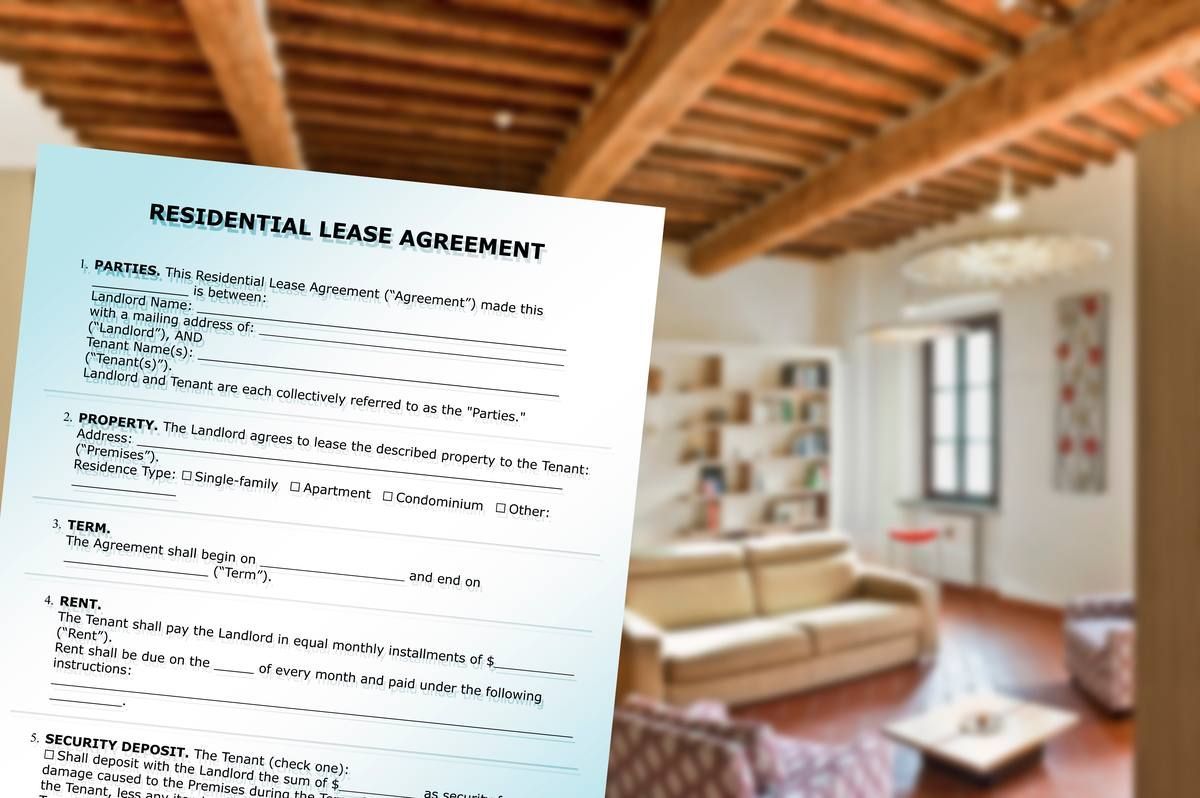
A lease agreement is one of the most important documents in rental property management. It outlines the terms of the rental arrangement, defines responsibilities for both the landlord and tenant, and provides the legal framework that governs the tenancy. For rental property owners in Long Beach CA, a well-written lease helps prevent misunderstandings, reduce disputes, and protect the property investment. Without clear lease terms, even small disagreements can escalate into larger legal or financial problems.
Professional property management companies place significant emphasis on properly structured lease agreements because they form the foundation for successful tenant relationships and rental property operations.
What Is a Lease Agreement?
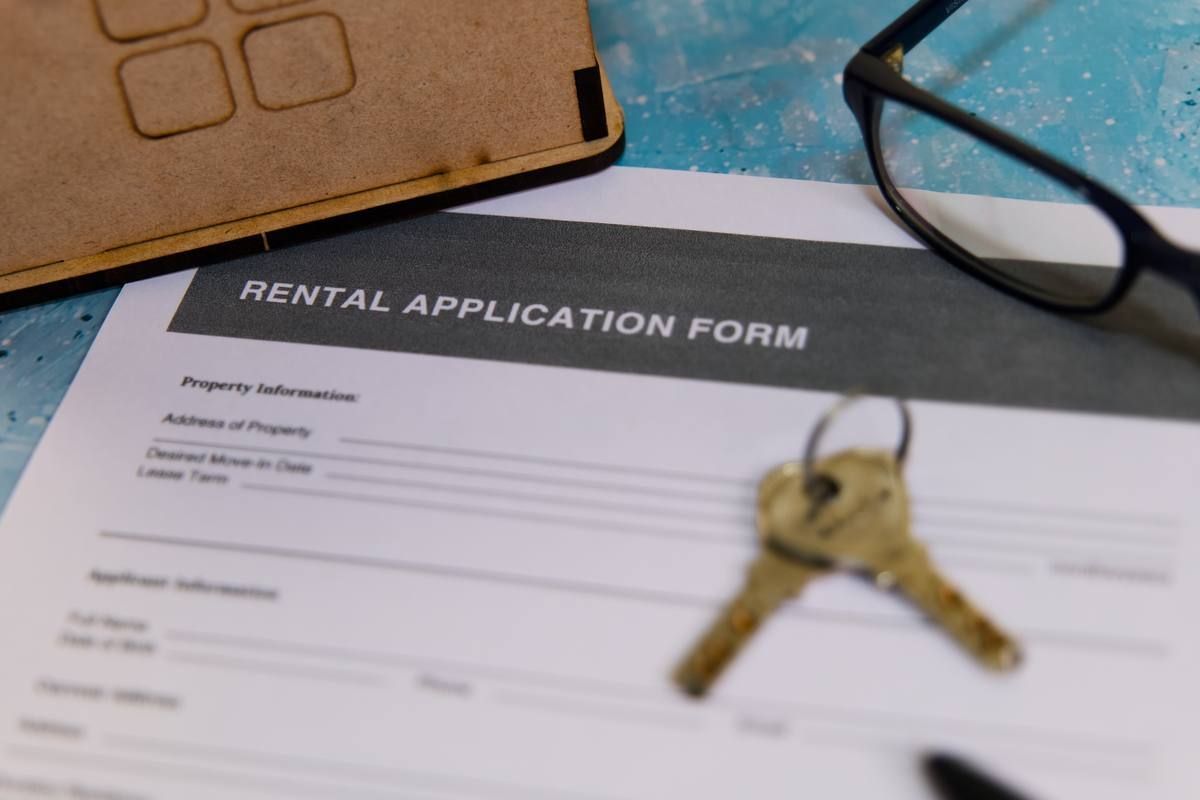
A lease agreement is a legally binding contract between a landlord and a tenant that defines the conditions under which the tenant may occupy the property. The lease outlines key details such as:
- Monthly rent amount
- Rent due date
- Length of the lease term
- Security deposit terms
- Maintenance responsibilities
- Property rules and restrictions
These terms create a clear understanding of expectations before the tenant moves into the property. In rental property management in Long Beach, properly drafted lease agreements help prevent confusion and ensure both parties understand their obligations.
Why Lease Agreements Are Essential
Many tenant disputes occur because expectations were never clearly defined at the beginning of the tenancy.
A strong lease agreement helps reduce potential conflicts by clearly outlining how situations will be handled. For example, the lease may explain how maintenance requests should be submitted, when rent is considered late, or whether pets are permitted on the property. When these issues are addressed upfront, tenants know what to expect and landlords have a documented reference point if problems arise. Professional property management in Long Beach California focuses heavily on lease clarity because clear documentation supports consistent enforcement of rental policies.
Key Components of a Rental Lease
A comprehensive lease agreement typically includes several core sections that define the rental relationship. Common lease components include:
- Identification of the landlord and tenant
- Property address and description
- Lease term and start date
- Monthly rent and payment procedures
- Security deposit amount and handling
- Maintenance responsibilities
- Occupancy limits
- Rules regarding pets, smoking, or alterations
Each of these elements contributes to a structured rental arrangement. Professional property management services often use standardized lease templates that have been reviewed to comply with California rental laws.
Rent Terms and Payment Policies
One of the most important sections of the lease is the rent payment policy, as it establishes clear expectations for both parties. The lease should define the rent amount and the date rent is due each month. It should also outline accepted payment methods and any applicable grace periods. Late fee policies must be clearly stated to support consistent enforcement. A clear rent collection policy helps tenants understand their financial responsibilities and allows property managers to enforce payment policies consistently.
Many property management companies also include information about online rent collection systems, allowing tenants to make electronic payments through secure portals.
Maintenance Responsibilities
Maintenance expectations are another key part of the lease agreement. Tenants and landlords both have responsibilities when it comes to maintaining the property. The lease typically outlines which repairs are handled by the landlord and which responsibilities belong to the tenant.
For example, tenants may be responsible for keeping the property clean, reporting maintenance issues promptly, and avoiding damage beyond normal wear and tear. These responsibilities help maintain the condition of the property over time. Landlords generally remain responsible for maintaining structural integrity and habitability. This division of responsibility supports clear expectations and reduces disputes. Professional property managers ensure these responsibilities are clearly described in the lease to prevent misunderstandings later.
Lease Duration and Renewal Terms
Lease agreements typically specify a fixed rental period, often twelve months. At the end of the lease term, the tenant may renew the lease, the lease may convert to a month-to-month arrangement, or the tenant may move out.
Renewal terms should be explained in the lease so both parties understand what happens when the initial lease period ends. Property managers often begin renewal discussions before the lease expires in order to minimize vacancy and maintain stable occupancy.
Security Deposit Policies
Security deposits are another important component of lease agreements. In California, security deposits are subject to specific regulations covering maximum deposit amounts, how deposits are held, how deductions may be made, and the timeline for returning deposits after move-out.
A well-written lease explains how the deposit will be handled and what conditions may lead to deductions, which is why a thorough tenant move-out checklist matters. Professional property management ensures that deposit policies comply with state law to protect both tenants and property owners.
Rules and Property Guidelines
Lease agreements often include property-specific rules designed to maintain a safe and comfortable living environment.
These rules may address topics such as noise restrictions, parking regulations, guest policies, smoking rules, and pet guidelines. Establishing clear expectations helps tenants understand acceptable behavior. This structure supports a more stable living environment. It also helps protect the property from misuse. Property managers enforce these policies consistently to maintain order within rental properties.
Legal Compliance in California Lease Agreements
California has some of the most detailed landlord-tenant laws in the country. Lease agreements must comply with numerous regulations governing issues such as disclosures, habitability standards, fair housing requirements, and tenant rights. Failure to include required disclosures or improper lease language can create legal complications for landlords.
Professional property management companies in Long Beach stay current with California regulations and ensure lease agreements include the appropriate legal language and disclosures. This compliance helps reduce legal risks for property owners.
The Role of Property Managers in Lease Preparation
Preparing a legally compliant lease agreement requires careful attention to detail and a clear understanding of current regulations. Property managers typically handle lease preparation as part of the leasing process, ensuring that all required legal disclosures are included, rental terms are clearly defined, responsibilities are documented, and the language aligns with applicable laws.
Once the lease is prepared, the property manager reviews the document with the tenant to confirm that all terms are understood before signing. This step helps prevent confusion and establishes a professional foundation for the landlord-tenant relationship.
How a Strong Lease Improves Property Management
A well-written lease agreement provides structure for the entire rental relationship. It allows property managers to enforce policies consistently while giving tenants a clear understanding of expectations. Over time, strong lease agreements help reduce disputes, improve communication, and create a more stable rental experience for both landlords and tenants.
For this reason, property management companies treat lease preparation as a critical part of the full-service leasing process.
How Beach Cities Management Handles Lease Agreements
At Beach Cities Management, our rental property management in Long Beach includes professionally prepared lease agreements designed to protect both property owners and tenants.
Our leasing process includes:
- Legally compliant lease preparation
- Clear rental policies and guidelines
- Online rent collection systems
- Professional tenant communication
Our goal is to create structured rental agreements that support long-term tenant relationships and stable rental income.
Ready for Professional Leasing and Property Management?
If you want help managing leases, tenant placement, and rental property operations, professional Long Beach property management can simplify the process.
Apply today through our **Owner Application**. Let Beach Cities Management handle leasing and property management so you can focus on building long-term rental success.
Share this post