ADU Long Beach: Requirements, Costs, and Rental Potential
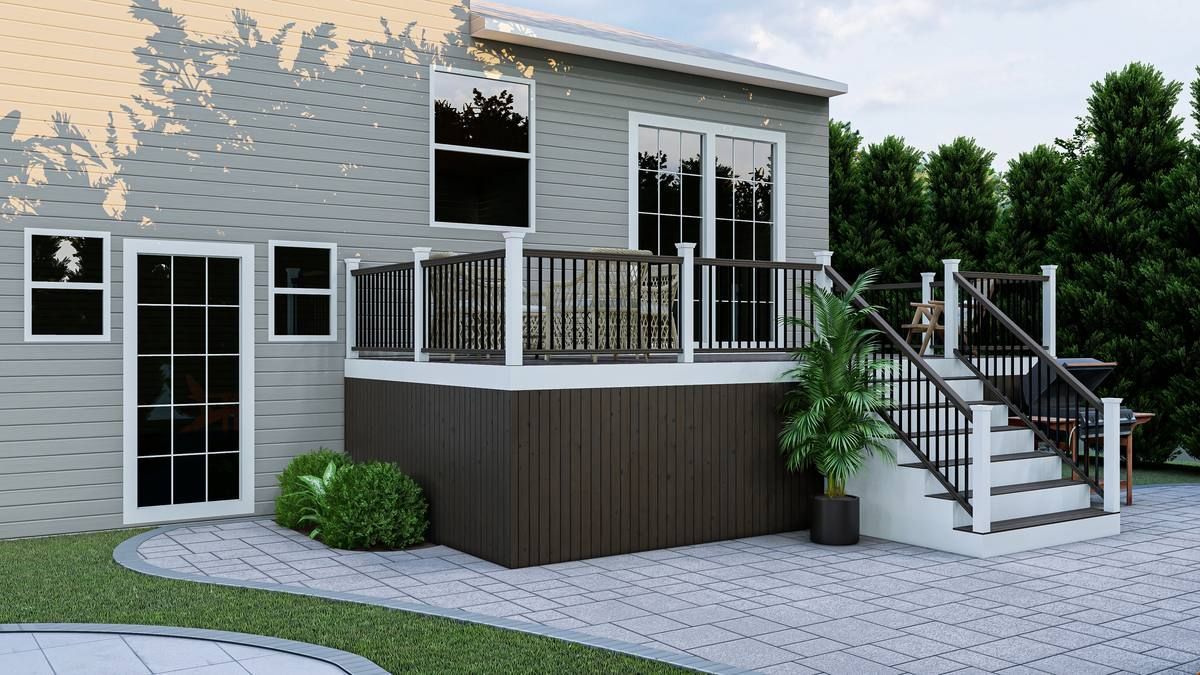
An ADU in Long Beach can turn part of an existing property into an independent rental home, but the investment starts with the lot, the construction scope, and a realistic operating budget. A backyard that appears large enough for a cottage may still present drainage, utility, access, or privacy problems. The strongest projects resolve those issues before an owner commits to a floor plan or assumes a monthly rent.
For Long Beach rental property owners, the goal should be a home that can be permitted, built, and operated reliably. This guide connects the basic requirements with the financial and leasing decisions that determine whether an accessory dwelling unit fits your property.
Start with the current Long Beach ADU requirements
As reviewed on October 31, 2026, the City of Long Beach ADU page says the City is applying state ADU law directly while developing a local ordinance. Owners should therefore verify the current approval pathway instead of relying on an older summary of the municipal code. Ask Planning to identify the applicable unit type and review standards for the actual parcel.
Bring a site sketch and permit records to that conversation. The Long Beach planning bulletin lists four-foot rear setbacks for new construction and side setbacks of four feet or the zoning requirement, whichever is less. Conversions have different treatment, including fire and life safety conditions. Height and unit-count limits depend on the project category. Have Planning confirm the standards for your proposal before treating a sketch as a buildable design.
Location can add another layer of review. A property in Belmont Shore should be checked against the Coastal Zone map, while a property in a historic neighborhood such as California Heights should be checked for designation and applicable review. A neighborhood name alone does not establish the parcel's status. Confirm boundaries and requirements with the City before commissioning drawings.
Build a complete ADU cost estimate
A useful ADU construction budget includes much more than the contractor's price for the building. Design, engineering, site preparation, utility work, permit charges, financing, and the period before rent begins all use cash. Compare proposals against the same written scope so that an apparently lower bid does not simply omit expensive work.
For example, one proposal may include trenching and restoration of the driveway, while another stops at the building wall. One may include appliances and finish fixtures, while another lists allowances that will change later. Ask each bidder to identify assumptions, exclusions, and the process for pricing changes. Keep a separate contingency rather than treating unused credit as the emergency plan.
Request written estimates for these project components:
- Existing-condition investigations, survey work, design, and structural engineering.
- Demolition, grading, drainage, foundation, and access for construction equipment.
- Electrical capacity, water and sewer connections, and any required utility upgrades.
- Building construction, finishes, appliances, landscaping restoration, and fencing.
- Permit and review charges, insurance adjustments, financing costs, and cash reserves.
The Long Beach Pre-Approved ADU Program offers another design starting point. Compare an eligible standard plan with a custom design, but still obtain pricing for your site's specific conditions. A plan that saves design effort can lose that advantage if its placement requires difficult utility routing or extensive demolition.
Estimate rental potential from comparable homes
Long Beach ADU rental potential should be evaluated using properties a prospective resident would actually compare. A rear cottage in Bixby Knolls may compete with nearby apartments as well as other cottages. A unit near the Traffic Circle may compete with rentals offering different parking, laundry, or access arrangements. Start with the renter's alternatives within the relevant area.
Record bedroom count, usable layout, private outdoor space, parking, laundry, air conditioning, and utility terms for each comparable. Separate advertised rents from confirmed lease outcomes. An expensive listing that stays available for weeks is evidence about the owner's asking price, not proof that a renter will pay it.
Estimate the household's total monthly cost. A lower advertised rent with separate utility charges can be less attractive than a slightly higher rent with clearly defined included services. If utilities will be shared, have the proposed arrangement reviewed before advertising it. Both the budget and the lease should explain who pays which bills.
Test the income after expenses and financing
Consider a hypothetical ADU with monthly rent of $2,400. Scheduled annual rent would be $28,800. A planning allowance of 5 percent for vacancy and collection loss reduces that figure by $1,440. If other operating expenses total $7,200, the resulting operating income is $20,160 before loan payments, income taxes, and capital replacement reserves. These figures illustrate a calculation; they are not a Long Beach rent estimate or expense forecast.
Next, subtract the actual proposed annual debt service. A project that produces positive operating income can still require monthly owner contributions after borrowing costs. Add a separate reserve for future replacements, and ask a tax adviser how the improvements and rental activity affect your circumstances. Do not count a projected increase in resale value as money available to pay the construction loan.
Run a second scenario with lower rent, a longer construction period, and a larger final cost. Decide in advance how much additional cash you could contribute without affecting the main property's maintenance. That decision is often more useful than selecting the most optimistic return percentage.
Design the property for everyday management
Walk the route from the sidewalk to the ADU after dark. Consider deliveries, trash collection, visibility of the entrance, and how residents will reach laundry or parking. Place lighting and screening so that the two households can use the property comfortably. Keep service equipment accessible without requiring routine trips through another resident's private space.
Before move-in, assemble approvals, appliance information, warranties, utility instructions, and a documented condition report. Establish a repair contact and clear rules for shared areas. Good Long Beach property management begins with these practical details, because a second home on the lot creates another household with independent needs.
Discuss your ADU with Beach Cities Management
An ADU can be a useful rental investment when its design, cost, and expected income work together. Before you finalize a build or prepare a completed unit for leasing, discuss the operating plan with Beach Cities Management. Bring your location, floor plan, proposed amenities, and cost assumptions so the conversation can focus on the property you actually own. Complete the Beach Cities Management Owner Application to start a conversation about your Long Beach rental property.
Share this post